 By
By 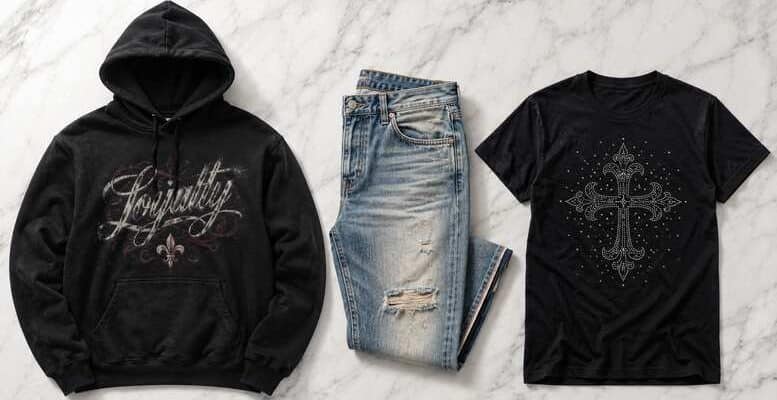
How Three Very Different Labels Ended Up Doing the Same Thing Right
Streetwear has a trust problem. Not a creativity problem, not a hype problem a trust problem. Because you’ve bought a hoodie that looked incredible on the product page, wore it three times, and watched the print peel off at the collar by month two. You’ve paid more than you should have for a label that spends eighty percent of its budget on marketing and twelve percent on the actual garment. And yet the brands that genuinely deliver the ones where the stitching holds up and the cotton feels the same in year two as it did on day one never seem to get talked about in the same breath. So let’s fix that. Stussy, Amiri, and Mixed Emotion sit in completely different price brackets and target different buyers on paper, but they’ve all built reputations on the same foundation: product quality that outlasts the hype cycle surrounding it. If you’re trying to figure out where your clothing money should actually go, these three labels are worth understanding before you make another purchase that disappoints you six weeks in.
Why Stussy Still Matters Three Decades After It Started
Most brands that launch in the early 1980s don’t survive into the 2020s with their identity intact, but Stussy pulled off something that very few labels can claim: they stayed relevant without chasing relevance. The brand was built around California surf and skate culture from the beginning, with Shawn Stussy’s signature logo becoming one of the most recognized marks in all of streetwear before streetwear was even a category that people agreed existed. What made the label stick wasn’t just the logo it was the consistency of the garments. The signature Stussy script tee has been produced for decades, and the construction has held steady through the entire run, with ring-spun cotton that sits heavier than most competitors at the same price point and screen print layers that actually bond to the fabric rather than sitting on top of it. One thing most people don’t know until they’ve worn a Stussy piece through multiple wash cycles:
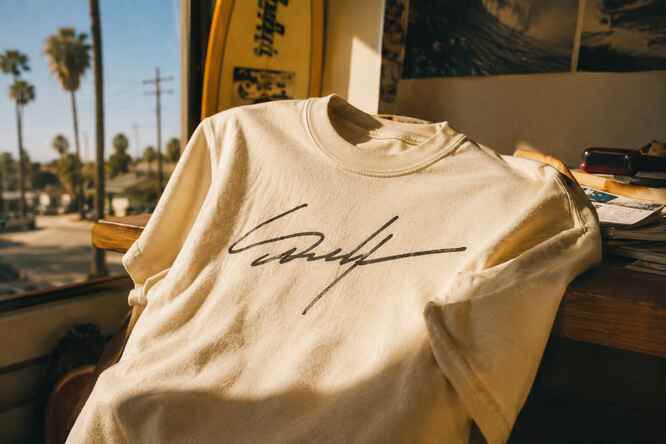
the shrinkage on their tees is minimal, which is a result of garment washing during production rather than shipping raw fabric straight to cut and sew. That detail matters more than any logo placement ever could, and it shows up in how the shirts fit after six months compared to how they fit fresh out of the bag. Stussy has built the kind of brand equity that other streetwear labels spend millions trying to manufacture from scratch and it all comes back to product decisions made at the factory level, not the marketing level.
What Amiri Actually Sells (And Why the Price Tag Makes Sense)
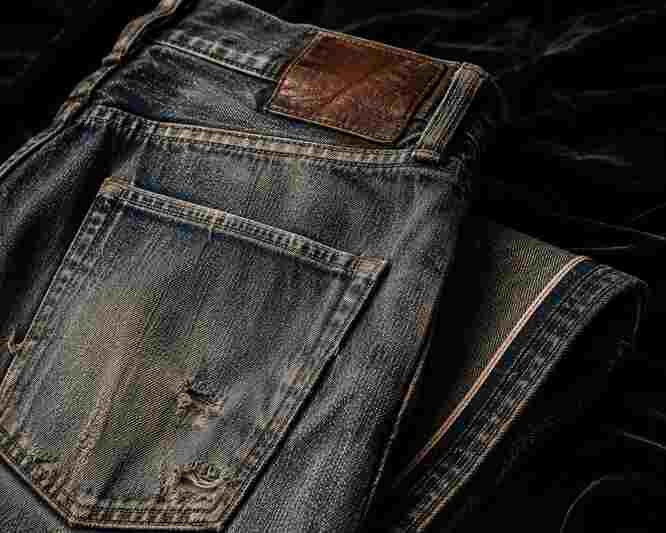
The instinct when you first see Amiri pricing is to assume you’re paying for a name stitched into a tag, and that instinct is understandable because plenty of luxury brands operate exactly that way. But Amiri sits in a different category when you look at how the pieces are actually constructed. Mike Amiri founded the brand in Los Angeles with a background that blended rock-and-roll aesthetics with hand-finished tailoring techniques, and that combination produces something that doesn’t really exist elsewhere in the market at the same quality level. The denim is the clearest example. Amiri jeans use Japanese selvedge denim for many of their silhouettes, which is a material produced on shuttle looms that create a tighter, denser weave than modern open-end spinning, and then the distressing is done by hand per pair rather than machine-sanded in bulk. The result is distressing that looks intentional and organic rather than uniform, because each pair actually is slightly different from the next one off the production line. The leather detailing on certain styles the MX1 Jeans being the most recognizable uses suede patches that are sewn in with reinforced stitching at the stress points, so the patch doesn’t peel away at the edges the way most faux-distressed leather applications do after repeated wear.
For footwear, the Zapatos Amiri collection uses Italian and Spanish manufacturing facilities with hand-lasted construction, meaning the upper is shaped over a wooden form before the sole is attached, which produces better shape retention than the cemented construction most sneaker brands use even at high price points.
Three Things That Separate Good Streetwear from Everything Else
Getting good at buying streetwear means developing an eye for the details that don’t show up in product photography. Here’s how to spot quality before you commit:
- Turn the garment inside out and look at the seam tape.If the interior finishing is clean with sealed edges, the brand invested in proper construction equipment. If you see raw, fraying seams on the inside of a garment that costs more than a basic fast-fashion piece, walk away.
- Press the screen print with your thumb and check if it moves.A properly bonded print won’t shift or feel sticky. A print that flexes unevenly or has slightly raised edges is telling you it wasn’t cured at the right temperature during production.
- Check the thread count on embroidery by pulling the fabric gently on both sides.Dense embroidery on quality backings won’t warp the base fabric. Cheap embroidery pulls the fabric into a pucker that gets worse with every wash.
- Feel the weight of the zipper pulls on hoodies and jackets.Lightweight zinc pulls are a cost-saving measure. Heavier brass or steel hardware is a deliberate quality decision and a sign the brand wasn’t cutting corners on the cheapest components.
- Read the care label for fiber content and check the percentages.A hoodie listed as 100% cotton should feel heavy and dense. If a 100% cotton piece feels thin enough to see light through, the GSM (grams per square meter) is probably under 250, which is the threshold where casual wear really starts to show its age quickly.
How Mixed Emotion Built Something Worth Wearing Every Week
Here’s my honest opinion: the best purchase I’d make at the $70–$130 streetwear price point right now comes from Mixed Emotion. That might seem like a strong claim for a brand that isn’t headlining the same conversations as Stussy or Amiri, but the evidence shows up the moment you put the pieces through real wear. The brand’s acid wash hoodies are produced from a heavyweight cotton fleece that holds its shape through repeated washing rather than bagging out at the pocket and cuffs the way cheaper hoodies do after a month of regular use. The rhinestone application on pieces like the Angel Sleeveless Tee and the Astronaut Rhinestone Tee is heat-pressed rather than glued, which means the stones don’t start dropping off the fabric after five washes the way adhesive applications always eventually do. What’s also worth noting is the mood-based naming system across the collection, where each piece carries a name that represents a specific emotional headspace rather than a random graphic attached to a product code. That design intentionality runs through:

- The hoodie range, with acid wash, carpenter, and ribbed styles sitting in heavyweight cotton above 300 GSM
- The Mixed Emotion line, which includes monogram denim across four washes and cargo cuts that keep structure without going stiff
- Rhinestone tees with heat-pressed stones that survive machine washing on regular cycles
- Shorts built for warm weather with camo prints, signature cuts, and relaxed silhouettes that don’t ride up
- Sweatpants with graffiti rhinestone detailing that makes a plain athleisure piece genuinely interesting to wear
The brand ships worldwide, offers free shipping above $150, and backs purchases with a 30-day return window which means the post-purchase experience is as clean as the products themselves.
How to Build a Wardrobe That Uses All Three of These Brands
The reason these three labels work well together is that they don’t actually compete for the same role in your wardrobe. Stussy handles your foundation pieces the tees, the basic hoodies, the caps that pull an outfit together without demanding attention. Amiri handles the investment pieces that anchor a look: the denim, the footwear, the outerwear that you’re still reaching for five years from now because the construction is solid enough to outlast seasonal trends. Mixed Emotion fills the space between those two, delivering pieces with enough visual personality to be the focus of an outfit without the Amiri price point. Together, they cover every layer of a streetwear wardrobe from top to bottom without redundancy, and more importantly, they all hold up over time rather than cycling into the “doesn’t look as good anymore” corner of your closet after a single season. Start with one piece from each, wear them for six months, and you’ll find yourself reaching for them more than almost anything else you own which is the real measure of whether clothing is worth buying in the first place.
The Honest Limitation You Should Know Before Buying
No brand in this category is going to suit every single person’s needs, and pretending otherwise would be dishonest. Amiri pricing is genuinely high, and if you’re building a wardrobe on a tight budget, spending several hundred dollars on a single pair of jeans simply isn’t the right move no matter how good the construction is. The quality justifies the price for someone who buys fewer pieces more carefully and keeps them for years, but it doesn’t make sense for someone who refreshes their wardrobe every season. Similarly, Mixed Emotion’s free shipping threshold of $150 means a single lower-priced item comes with a shipping cost, so you’re better off planning a small multi-piece order rather than buying one tee at a time to keep the total cost manageable. And while Stussy’s consistency is genuinely impressive across decades, the brand has also expanded its licensing and retail partnerships to the point where some pieces carry the name without the same attention to detail as the core collection so reading reviews on specific items is worth doing before you assume every release hits the same quality bar.
What the Next Five Years of Streetwear Actually Look Like
The streetwear market is moving away from pure logo chasing toward what industry observers are calling “quiet luxury streetwear,” a shift toward pieces that signal taste through material quality and construction rather than oversized branding. That’s a direction all three of these brands are already positioned for. Stussy’s signature has never been as loud as Supreme’s box logo, which is exactly why it reads differently in a room it’s recognizable to people who know, invisible to people who don’t, and that’s a quality marker on its own. Amiri’s direction under Mike’s continued design leadership has consistently pushed toward elevated California casualwear, blurring the line between tailoring and streetwear in a way that ages well regardless of trend cycles. And brands like Mixed Emotion, which build collections around emotional naming and genuine construction quality rather than hype drops, are exactly the kind of label that gains traction when buyers get smarter about what they’re actually paying for. The buyer who knows what ring-spun cotton feels like, understands why heat-pressed rhinestones matter, and can spot the difference between hand-distressed denim and machine-sanded denim that buyer is going to keep choosing these three labels over the ones built entirely on marketing spend. That’s a trend worth watching. The Tenis Amiri sneaker line, for example, already sits at the intersection of luxury footwear construction and streetwear aesthetic in a way that very few other brands have managed to execute without the result feeling contrived or costume-like.
Final Words
Stussy built its reputation over forty years by staying consistent when other brands tried to reinvent themselves every season. Amiri built its reputation by applying luxury construction techniques to streetwear silhouettes that actually resonate with how people dress day to day. Mixed Emotion built its reputation by solving the specific frustration of paying real money for streetwear and watching it fall apart before you’ve got your money’s worth. Each of those approaches takes a different path, but they all arrive at the same destination: clothing you’re actually glad you bought. That’s rarer than it sounds in a market full of labels that are much better at selling than they are at making, and it’s the reason these three belong in the same conversation.
FAQs
Q: Is Stussy considered a luxury streetwear brand? A: Stussy sits firmly in the premium streetwear category rather than luxury. It’s priced accessibly for most buyers, with quality construction that consistently outperforms similarly priced competitors, but it doesn’t use luxury-tier materials like Amiri does. The brand’s value proposition is consistency and heritage rather than exclusivity.
Q: Are Amiri jeans worth the price? A: For buyers who keep pieces long-term and care about construction details, yes. Amiri denim uses high-grade Japanese selvedge fabric on many styles, with hand-finished distressing rather than bulk machine processing. If you buy one pair and wear them for five years, the cost-per-wear math gets a lot more reasonable than it looks at first glance.
Q: Do Mixed Emotion rhinestone tees hold up in the wash? A: The rhinestones on Mixed Emotion’s tees are heat-pressed rather than adhesive-applied, which is a meaningful difference. Heat-pressed stones bond directly to the fabric and survive regular machine washing far better than glued applications. Cold wash on a gentle cycle and hanging to dry will extend the life of the detailing even further.
Q: Can I mix Amiri pieces with more affordable streetwear brands? A: Absolutely, and that’s actually how most people wear Amiri in practice. An Amiri tee paired with clean basic trousers, or Amiri footwear worn with more affordable hoodies and shorts, lets the investment piece anchor the look without requiring an entirely luxury wardrobe to make it work.
Q: How long does Mixed Emotion take to ship internationally? A: Mixed Emotion offers two international shipping options standard delivery arriving in up to 21 business days for $19, and faster shipping landing in 7 to 8 business days for $29. Orders over $150 qualify for free shipping. Every order comes with tracking details sent to your email once the package leaves their facility.
Read More: highly compressed pc games
