 By
By 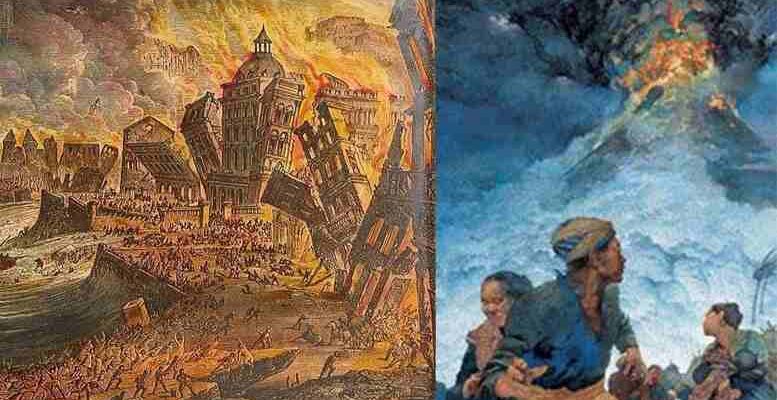
The Weight of Forgotten Catastrophes
History remembers the bright rise of civilizations yet it also holds the silence of their decline. Ancient empires often looked unshakable but their endings show how fragile power can be. Droughts earthquakes and floods shaped the destiny of entire peoples. A single disaster could push even the greatest society toward ruin.
Among the ruins of Mesopotamia and the fallen palaces of Crete the same story repeats. Z-lib connects many different types of books in one place and through them the voices of the past are still heard. Reading these accounts makes it easier to see how disaster shaped lives that once felt ordinary and secure.
Nature Strikes Back
The eruption of Mount Vesuvius offers one of the clearest examples. Pompeii froze in time under layers of ash. The people were not generals or kings but bakers children and neighbors caught in the middle of their daily routines. Rome called itself eternal yet in a single day nature pulled back the curtain on that illusion.
The Maya world faced another slow crisis. Rains stopped for years and rivers dried into empty beds. The cities that once thrived on trade and ceremony began to weaken. Hunger opened the door to strife and conflict. At the heart of the decline was not ambition or war but the absence of water.
To see how collapse can take different forms three striking cases stand out:
- The Fall of the Minoans
The island of Crete flourished with art and trade. Then the eruption of Thera sent waves crashing across the Aegean and ash that darkened the skies. What followed was not just one disaster but years of famine invasion and decline. Power faded like a flame that burned too brightly.
- The End of the Indus Valley Cities
Harappa and Mohenjo Daro impressed with their planning and order. Streets drained with care and homes followed a clear design. Yet rivers shifted and harvests shrank. Trade routes broke apart and families moved away. Cities once alive with markets fell silent brick by brick.
- The Decline of the Hittite Empire
- The Hittites stood strong with iron weapons and proud kings. But drought drained the land and hunger spread. Records show rulers begging neighbors for grain. The empire that once inspired fear found itself unable to feed its people.
These examples reveal not only how greatness can vanish but also how long the shadow of disaster can stretch.
Human Hands and Heavy Consequences
Sometimes collapse came not from the sky but from human choices. Land stripped bare by farming or forests cut beyond repair left communities with little to hold on to. The Ancestral Puebloans of the Southwest built homes high in cliffs yet even their skill could not overcome the exhaustion of the land. When survival grew impossible they moved leaving stone dwellings behind as watchful ghosts.
Z-library contains both the records of these past failures and reflections written in later times. The presence of both reminds that memory is not just history. It is a guide that warns against repeating the same mistakes in new forms.
Echoes that Still Resonate
The stories of collapse carry more than sorrow. They reveal resilience and the will to endure even as worlds crumble. Every ruin tells of people who tried to keep their lives intact against impossible odds. The silence of abandoned streets and broken temples is also the silence of survival attempts that were not enough.
Civilizations rise and fall like waves rolling against a shore. What remains are not just broken walls but the voices that keep telling the story. The end of the Maya the silence of Mohenjo Daro and the ashes of Pompeii remind that strength is never eternal. What endures is the story of human struggle and the effort to rebuild again and again.
Read More: igi 4 download for pc
